
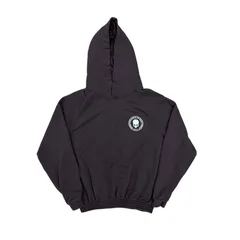
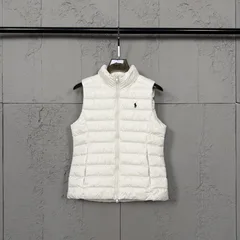
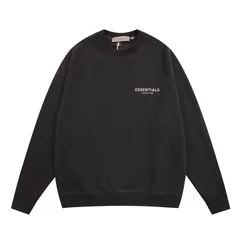
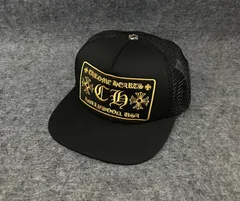
Keep Your Favourite Finds Together with the HipoBuy Spreadsheet
Find a piece worth building around. The HipoBuy spreadsheet collection brings together clothing, footwear and accessories with product pictures and available prices.
Save the details that make each choice yours: the model, colour, size and intended fit. The guides below help you carry those choices through ordering, warehouse checks and shipping.
What HipoBuy does, and what this site helps with
HipoBuy is a purchasing-intermediary platform. Selecting goods, arranging their purchase, checking items at the warehouse and booking international transport are separate parts of the process. QC photographs can help you examine visible details before onward shipping; they do not settle every question about fit or quality.
This site explains those decisions and organises shopping references. Product and category buttons open HipoBuy, while the guides stay here. Browsing an HipoBuy listing is a discovery step, not a completed HipoBuy order.
Choose one item you can describe
Instead of saving everything in a style you like, name the gap you want to fill. You might need a shorter jacket to wear with wider trousers, a lightweight top for layering or a bag that fits specific everyday objects. Those needs give you something concrete to compare.
Browse jackets, then compare the selected options with a garment you already use. Write down the relevant measurements and any unanswered question. The best spreadsheet guide helps distinguish a useful shortlist from a crowded collection.
Keep a simple purchase card for each candidate
| Note | Why it matters |
|---|---|
| Product link and selected option | Finds the same candidate again |
| Intended use | Explains why it belongs in your selection |
| Useful measurements | Makes comparisons more meaningful than size letters alone |
| Included pieces | Avoids assuming the photograph shows everything supplied |
| Question before purchase | Identifies what still needs clarification |
The spreadsheet links guide explains what to do when a reference changes or stops opening. Your notes are a decision aid, not evidence that stock or prices remain unchanged.
Follow the purchase in distinct steps
Confirm the item and variant first. Review the charge and its conditions before payment. When the article reaches the warehouse, compare its QC photographs with what you selected. Resolve meaningful differences before preparing the parcel.
Then compare shipping using the actual package information when available. Keep product spending and later transport costs separate so that a tempting basket does not consume the whole budget. The step-by-step guide explains the sequence, and the shipping guide covers the parcel decision.
Read recommendations with a specific question
A buyer's experience can help identify details to check, but a photograph of a similar design does not settle your size or version. The review guide separates product observations from parcel experiences. The safety guide covers account access, unexpected payment requests and private information.
When you know the purpose, option and next question for each candidate, your spreadsheet is doing useful work. Add more finds only when they offer a meaningful alternative, not simply because the list has room.
Compare the information that changes the choice
| Question | Useful information |
|---|---|
| Is it the same item I saved? | A working reference and identifiable variant |
| Will it fit the intended use? | Relevant dimensions, cut and included components |
| What am I comparing financially? | The selected option, quantity and separate charges |
| What remains uncertain? | A specific question that can be answered before proceeding |
These are criteria for a usable shortlist, not a claim that its products have been tested. The review guide explains why a useful list and a good purchase experience are separate things.
Work through a simple elimination example
Suppose you want a jacket that fits over your usual sweatshirt. Candidate A has a measurement chart you can compare with an existing jacket. Candidate B has an appealing photograph but no useful width information. Candidate C is clearly too short for how you want to wear it.
You can remove C, keep A for closer inspection and ask a specific measurement question about B. This is more useful than treating all three as equally strong options because their pictures look good. It also avoids declaring A the best product before checking its actual variant and conditions.